
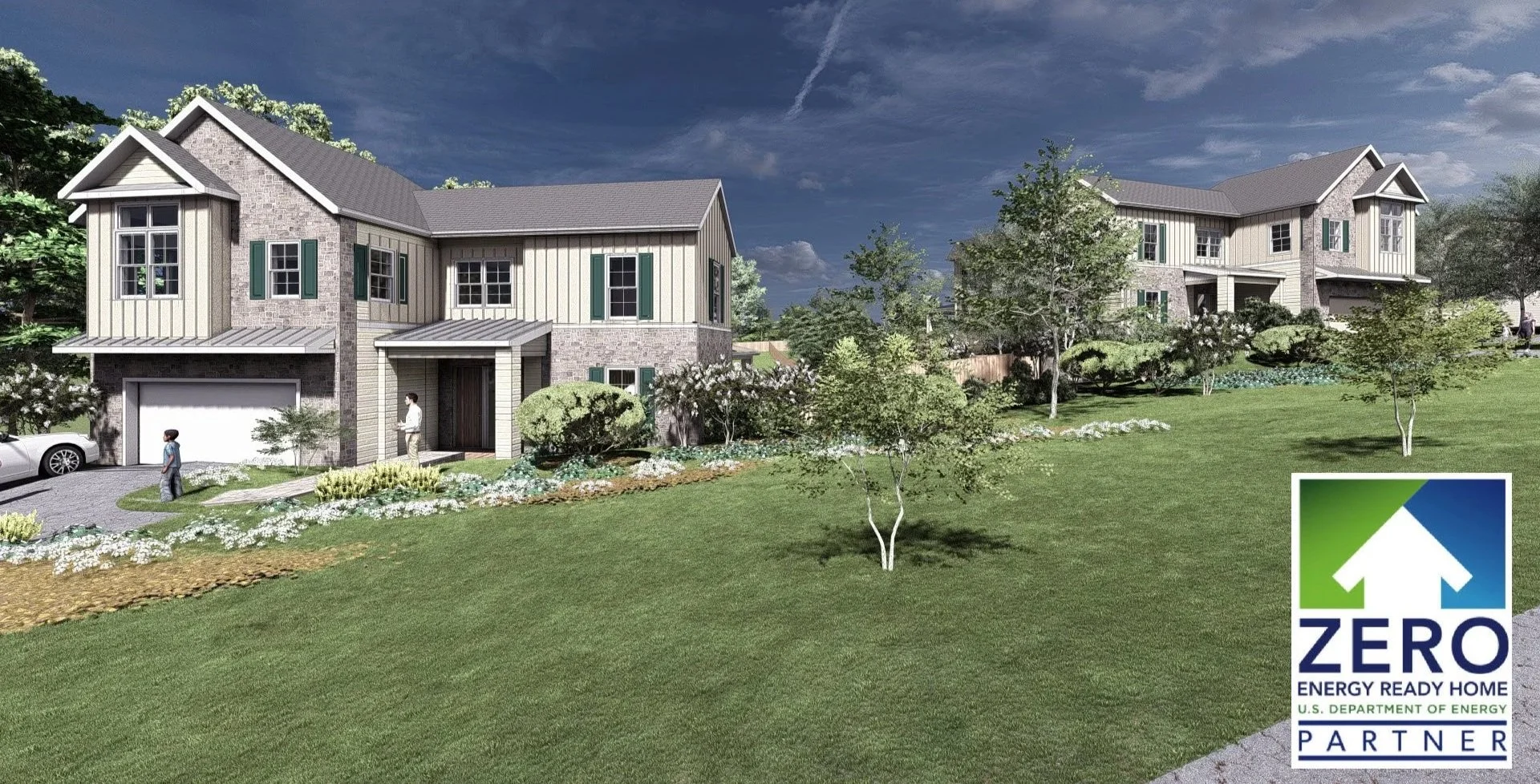
The Net Zero Energy Story
Big Ideas
Real Impact

designbuildllc.com
If…
Net Zero Energy is the highest performance home available today with all of these plusses:
$190,000 additional purchasing power with a $1,410,000 Net Effective Price: compared to a traditional existing home at $1.6M (Mortgage + Energy) !
$560,000 in Net Future Value of energy savings
Exceptional Appraisal Value, appraising higher than comps
Better Equipment.
20 SEER heat pump,
highest efficiency heat pump hot water
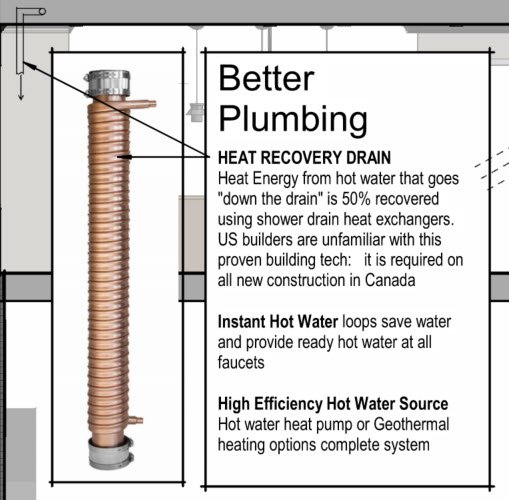
energy recycling hot water drains,
Better Testing
Better Air Quality, with full time filtered fresh air with energy recovery
Better Vision: a home that shows the way to a better energy future
Then Why …
are these the only Net Zero Energy homes available for sale in Delaware County and among a handful in the tri-state area?
The Answer:
The answer to the question of “Why”? Because better is also harder. Builders’ margins are tight. They offer buyers the tried and true, “same old, same old” solutions. A Net Zero Energy (NZE) home is the gold standard in construction quality. It’s harder to achieve. It takes greater skills, more supervision and testing, and the vision to achieve NZE advantages. And few buyers know to ask for it.
But now you do!
The Value of Net Zero Energy
It’s worth getting to know NZE (Net Zero Energy)
Compared to the average existing US home*** of similar size, an NZE saves $10,400 per year. That translates to an additional purchasing power and value of $127,000.
A buyer that can afford an existing home costing $1,410,000 will make the same monthly payments as an NZE home costing $1,600,000. $190,000 MORE HOME AT THE SAME COST!
How?
Better Design
Computer modeling of the home, its details, and equipment are used to provide an independent certification of energy performance.
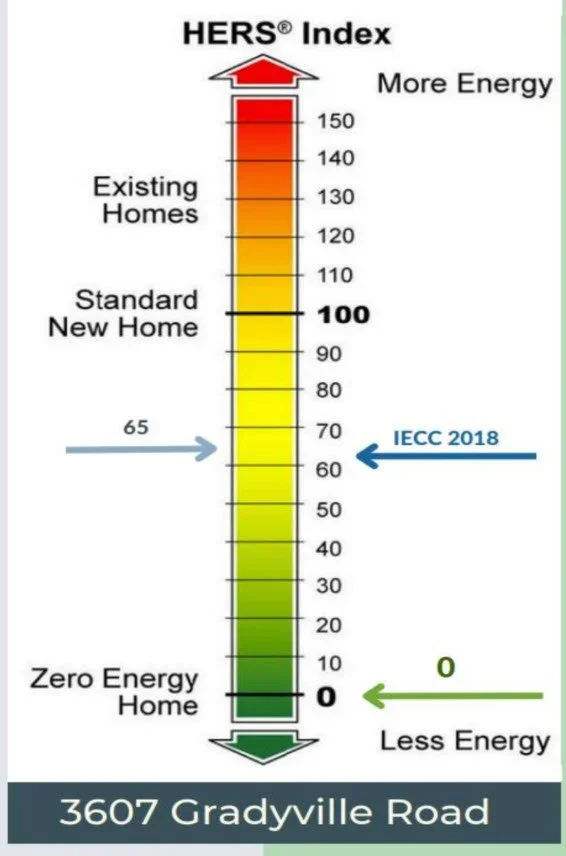
HERS Index Ratings
Measuring Success
A “HERS” Index is how home energy use is measured. The “HOME ENERGY RATING SYSTEM” starts at 0 (the best) and going to 100 (the average new home being built in the US) and above 100 for existing homes with outdated energy features.
Zero is best and means the home averages out to zero net energy use. Some days it will use energy from the “grid”, some days it will produce an excess of electricity and will be sold back to the utility company
100 is the energy performance of the average of US homes being built today.
65 is about as good a home built to current building code in the Delaware Valley can perform. Without testing and NZE certification and testing, there is no way to tell what a new house’s HERS rating actually is.
“Code Conforming”
Measuring mediocrity
New homes in your area are “Code Conforming” unless testing and certification says differently. They are built to the standards of the current building code, which in Pennsylvania is an eight year old 2018 International Residential Code.
Are Code Conforming houses all they could be? Definitely not. A “code conforming” house has a HERS score of 65 to 100. Compare this to a NET ZERO ENERGY home’s score of ZERO. The gold standard.
It is safe to say that all new homes are “Code Conforming” and do not come close to the performance, comfort, quality, or energy savings of a Net Zero Energy home.
Better Performance
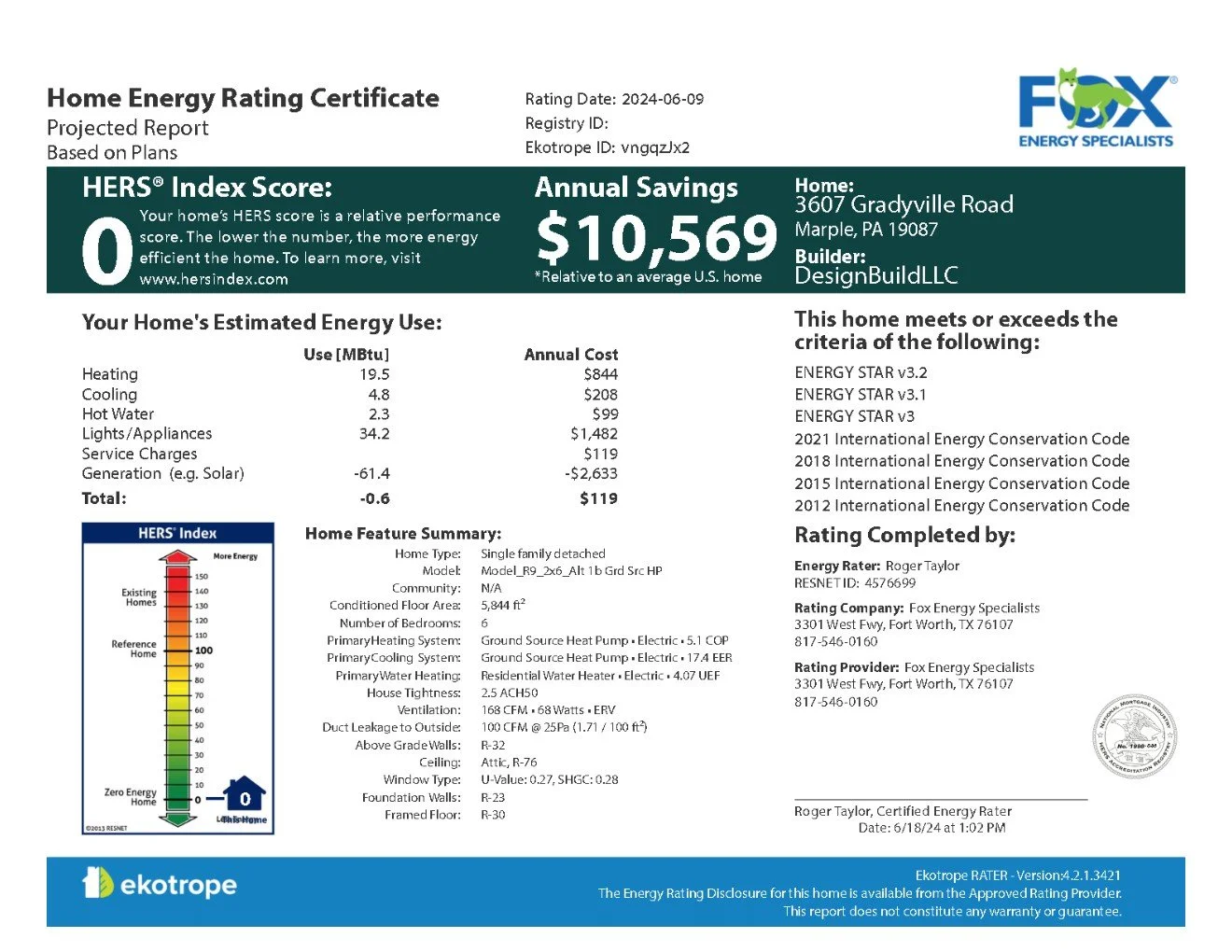
A net zero energy home is designed from the start with a view to maximum energy performance. It is reviewed, rated, and approved by an independent nationally certified energy rater.
Compared to Existing Average Homes …
Existing homes in the US built over 20 - 30 years ago have HERS Index scores of an average of 130. For these homes, multiply the energy savings comparted to Net Zero home by an average of 130%, so compared to existing homes of the same size…
… Net Zero Saves up to $13,740 annually
Better Roof
A traditional roof framing (above) of almost every new home tapers down six to eight inches at the exterior walls. Where insulation is needed the most, it tapers from (hopefully) a code required R-45 to R-11, brining ice-dam and heat loss into play
Our NZE roof (below) increases to form a continuous R-75 insulation layer.
Code Conforming Roof = R-45
R-45 in the middle but R-15 at the eaves
Our NZE roof = between R-91
full insulation wall to wall and up to 250% better!
Better Walls
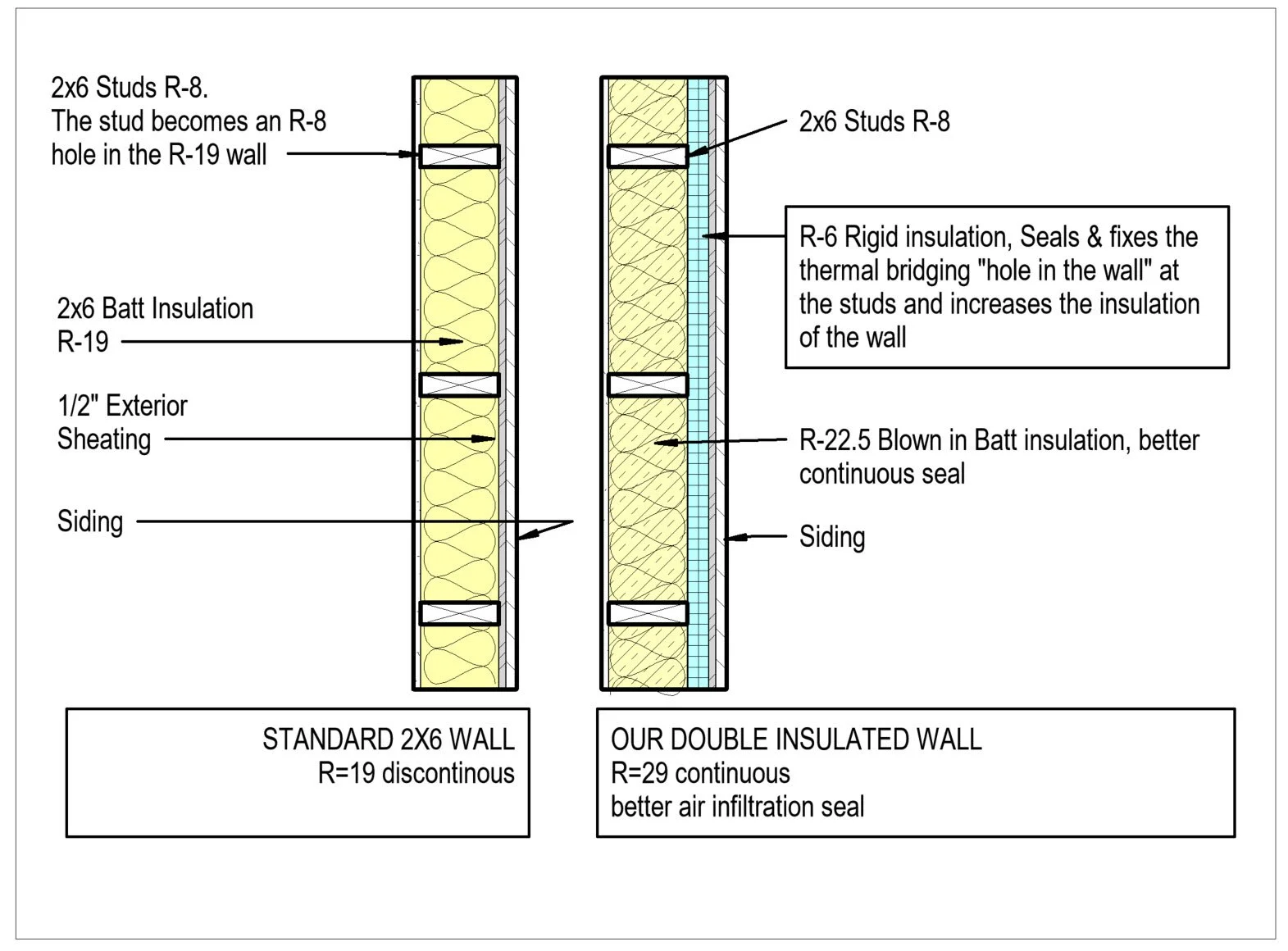
Code Conforming new construction walls are only required to be “nominal” R-19. But every stud is only R-6 and even the best fit batt insulation will separate from the studs, making the walls perform even worse. So in all other new construction that is Code Conforming home, you bought R-19 batts, your wall is actually performing like an R-16.6 wall.
Our wall adds R-6 ZIP wall, which is the hero of this assembly. Because it is installed on the outside of the studs, it provides continuous insulation. This breaks the thermal bridge and prevents the studs from transferring cold directly into your home.
Our Net Zero Energy wall has an Effective R-Value of roughly R-22 to R-24, which is excellent for most climates and significantly outperforms a standard 2x6 wall without exterior foam by almost 50% plus the benefit of super sealing
The basement walls are insulated to R-29.5 with rigid spray foam and are triple waterproofed outside: water proof coating + drainage board to carry water away from the wall before it even gets to the waterproofing + continuous foundation drain below the basement slab inside and out that carries water away from the home
Better Floors too
The basement concrete floor is poured over R-14 structural rigid insulation. No insulation is required for concrete slabs in Code Built homes.
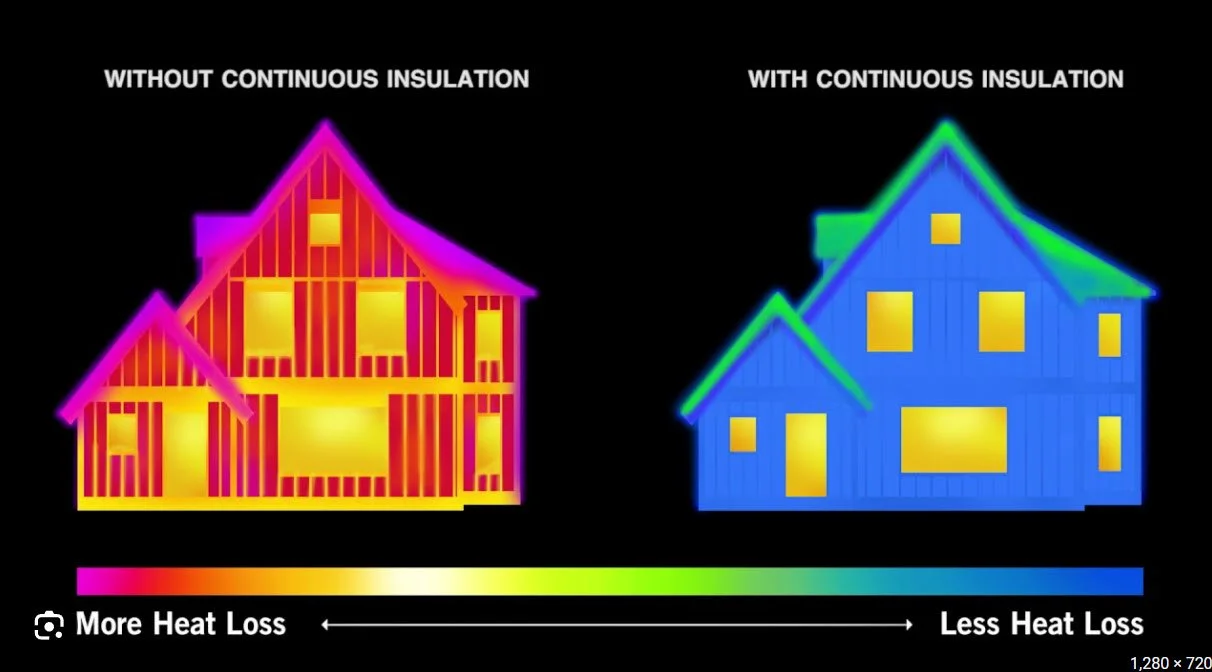
ORDINARY: Code-conforming wall (left) shows heat loss at the studs (red) in this infrared heat scan (at left)
BETTER: With Zip R-R6 walls show no heat loss at studs (at right)
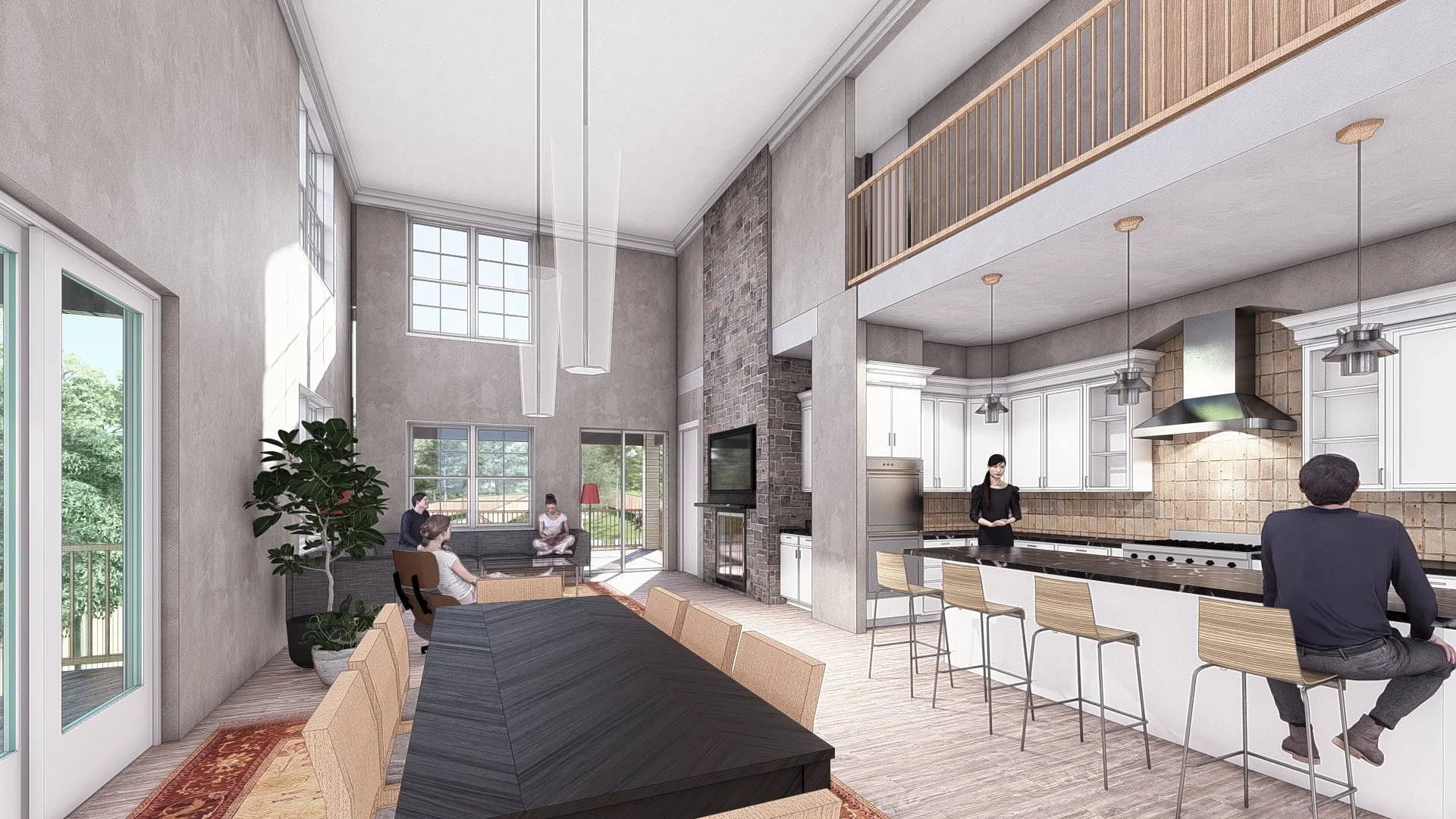
not just better:
Exceptional Value
More Value: up to $189,000 more house for the same payments as comparable non-NZE homes. Lenders assess buyers ability to pay their share of the PIE: Principal, Interest, and Energy. With zero energy costs vs $10,400 for a similar sized home, a buyer’s purchasing power is increased
Higher Appraisal. NZE homes often appraise 10–15% higher than code-built homes, and green-energy lenders may qualify buyers for higher purchase prices due to the eliminated energy bill
s.Peace of mind: A quiet, comfortable, healthful home that has a zero carbon footprint.
Lower Costs: $10,500 annual energy savings, comfort, convenience, healthful full-time filtered fresh air.
$560,000 savings in 20 year net future value
projected, compared to the average US home of the same size, at 7 % interest + 2 % energy inflation. Even higher compared to older energy-inefficient homes
Better HVAC
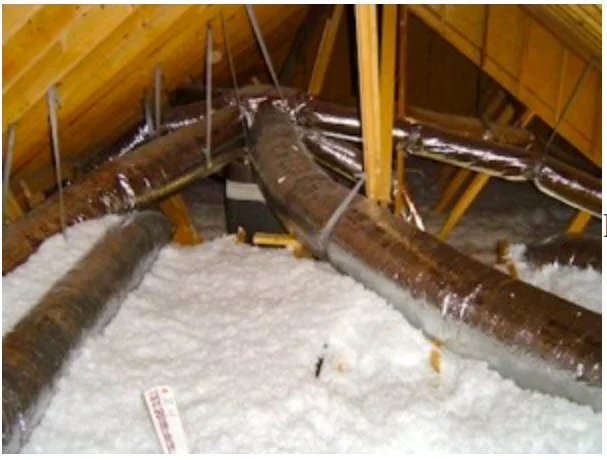
Code Built (bad): ductwork in the attic
Code built homes put insulation in the attic. The supply ducts are lightly insulated to R-8 and the returns are insulated to R-4.
Air conditioning located in hot attic or heating and lost into the uninsulated attic? This can also cause air conditioning ductwork to condense humidity and drip onto the ceiling below
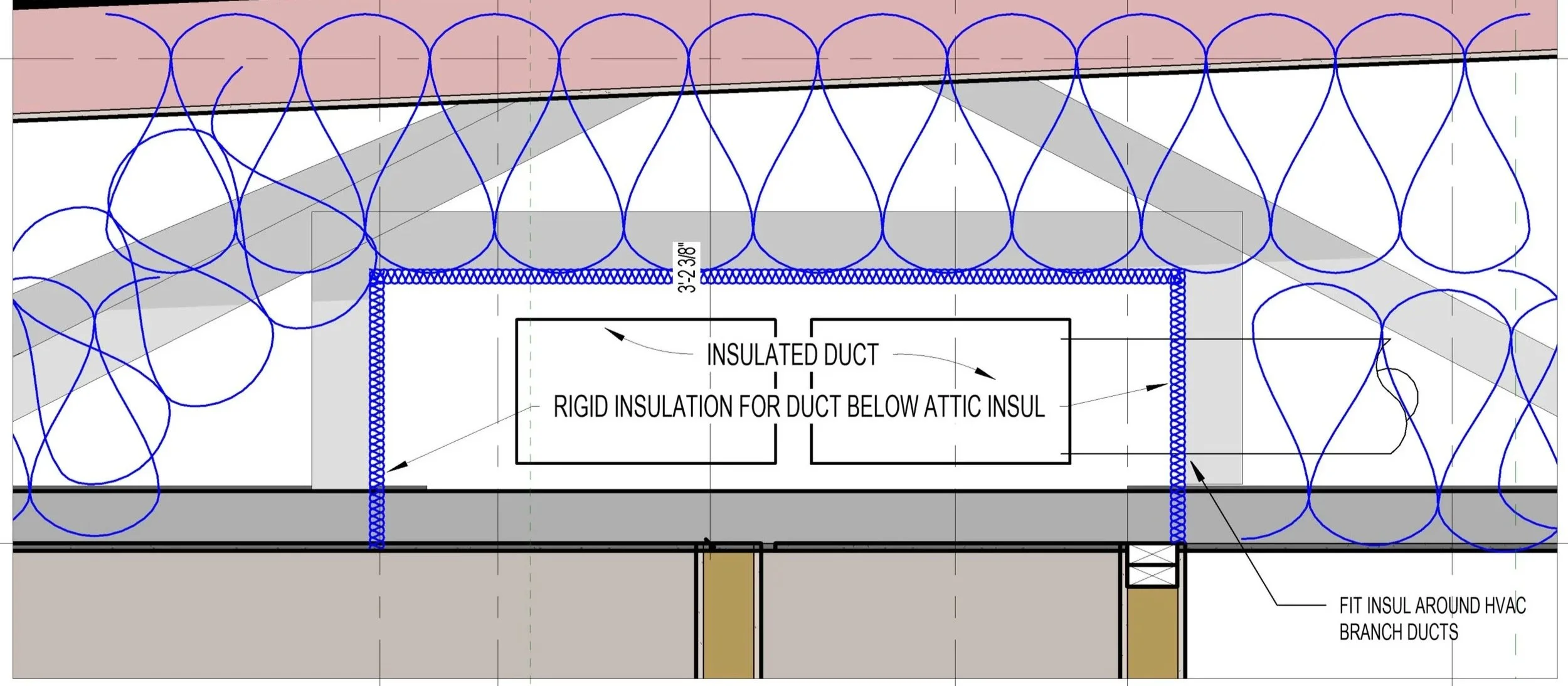
NZE Better ductwork BELOW the attic
Our Net Zero Energy ductwork is designed into the structure for the best scenario: the ductwork is within the insulated buildling envelope, and isolated from the outside with the attic’s full insulation value
Highest efficiency HVAC and Hot Water
Heat and Air Conditioning is provided by a Bosch 20 SEER heat pump with gas high-efficiency backup heat
Hot Water is provided by a state of the art 80 gallon heat pump hot water heater that actually produces cool dehumidified air in summer and ducts this cold air to the exterior in winter. Fresh air for the heat pump hot water is ducted in from outside, not consuming energy from indoor air.
A continuous hot water loop provides ready hot water everywhere the house.
Heat recovery Drains
The shower drains are run through a heat recovery drain. Shower hot water energy that every home literally throws away down the drain, is 40% recaptured and sent back to the hot water loop.
Better Testing
To guarantee performance, every NZE home undergoes advanced diagnostic testing:
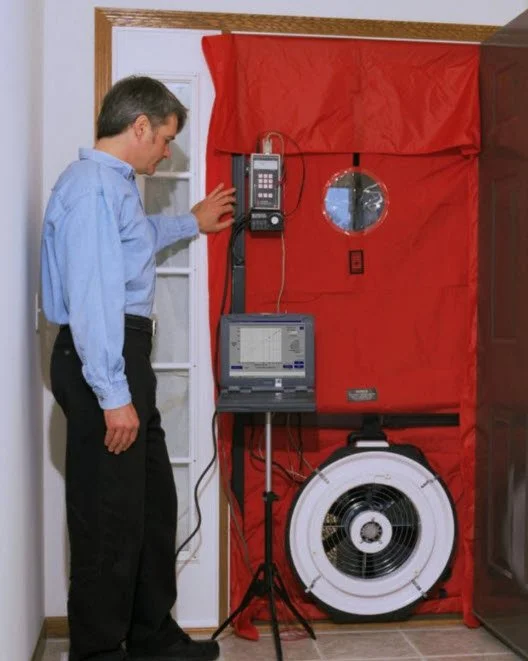
Blower Door Testing: Pressure tests the entire house by suctions air out of the house to identify and seal even the smallest cracks. Our NZE homes achieve twice the air seal of a standard new home. In the photo, a professional energy certification includes is performing a blower door test and seeing how much air will leak into it.
In conventional Code Built homes air depend on their air leakage for fresh air.
Duct Blasting pressure tests the HVAC ductwork to ensure no conditioned air is lost before reaching the living spaces. Our duct blast is also twice the code required seal
Better and Healthier Air Quality
The Code Built home leaks enough air to provide “fresh air” to the house.
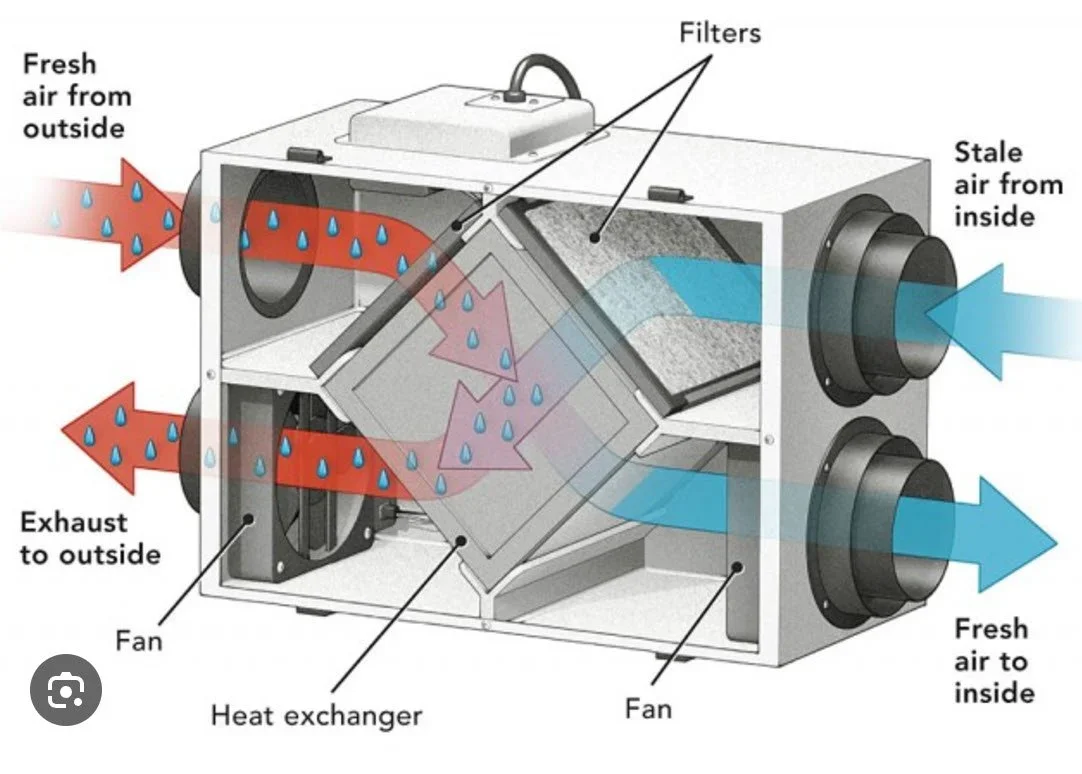
A Net Zero Energy home is so well insulated and sealed that it could have stale air in it. This is solved by provided filtered fresh air into the house and doing heat exchange to capture the energy of the conditioned air being forced out.
Filtered Fresh Air: Because the homes are "Super-Sealed," an Energy Recovery Ventilator (ERV) is used to exhaust stale air and bring in fresh, filtered air. This removes particles as small as 1–10 microns, including most bacteria and allergens.
Simplicity: an ERV requires no settings or input for longevity and easy maintenance.
Is Net Zero Energy a new or untested type of home?
Total Inventory: According to Team Zero, the count of zero energy residential units has surpassed 45,000 homes in 2025
Market Penetration: In 2024, nearly one-third of all new homes built in the U.S. were HERS-rated (Home Energy Rating System), which is a key stepping stone toward net zero.
Regional Leaders: Texas, Arizona, Florida, and North Carolina account for over 60% of all high-performance, HERS-rated homes, though California leads in strict net zero mandates for new construction.
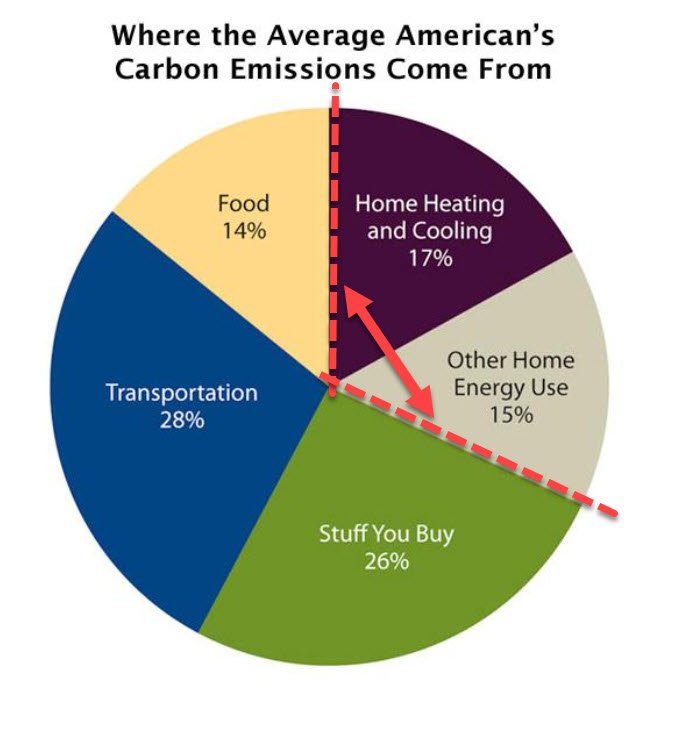
Environmental Impact
You choose to live in a home that fits your future and makes a statement about your values. If your values include a smarter future for your family, your community, and your world, you are a Net Zero Energy home buyer.
Energy Security
Living in home that points the way to a better, cleaner environment can also be satisfying not only rewards your finances, it gives you a secure energy future. With the addition of a possible 13kw of solar panels and battery backup, an NZE home gives you peace of mind about energy costs
A Home with a Conscience.
Not only does an NZE home save you costs, living in a Net Zero home significantly can reduce your carbon footprint up to one third compared to a traditionally built home home.
Existing older house of 3500 SF has a carbon footprint of 10-12 metric tons of CO2 per year
Average newer home has a carbon footprint of 7-8 metric tons of CO2 per year
Newer car driving 15k miles per year has a carbon footprint 3.8 metric tons of CO2 per year
An electric car, 15k Miles per year has a carbon footprint 1.5 - 2 metric tons of CO2 per year
No matter what your thoughts about the environment, it is satisfying to think you are living smarter and better in a Net Zero Energy home
Financial Security
That $580,000 in added Net Future Value doesn’t hurt either.
Net Zero Energy
Share the QR code for this page to explore the benefits, value and quality features of this one of a kind home
Link to Realtor’s listing

About
Design Build LLC, Architecture and Construction is now in it's fortieth year of designing and building extraordinary homes, buildings, and land planning of all types. The firm has worked on Net Zero Energy homes for private clients and now proudly presents for sale two of the only net zero energy homes in Delaware Valley
DesignBuildLLC.com